An ostomy created by bringing a part of the ileum out through a cut on the belly is known as an ileostomy. The end of the ileum sticks out on the abdominal skin to form a stoma. Intestinal wastes, instead of proceeding to the diseased section of the bowel, pass out of the stoma. You are going to need to wear an ostomy bag over the stoma to collect waste materials.
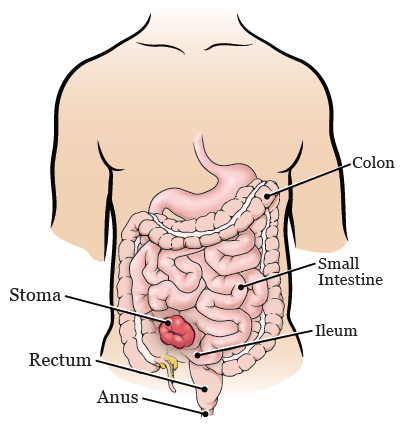
An ileostomy can be temporary or permanent, depending on the type or severity of the underlying disorder. The surgeon will opt to give you a permanent ileostomy if your bowel has no chance to recover after surgery. A temporary ileostomy, on the other hand, allows the diseased section of the bowel to recover by resting until the surgeon decides to reconnect the GI tract. After the ileostomy reversal, you get the ability to move your bowels naturally.
Why would you need ileostomy surgery for IBD?
Damage to the large intestine due to inflammatory bowel disease may lead your doctor to choose to remove or rest it. Your body will then need an alternative way to expel waste materials. This alternative way is an ileostomy.
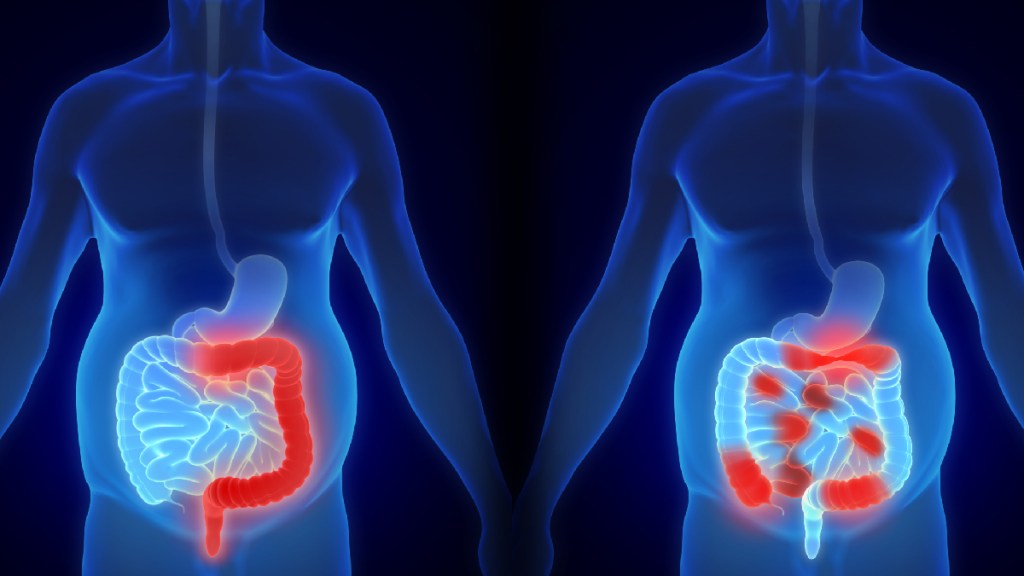
The creation of an ileostomy is generally a part of the surgical procedure called a proctocolectomy or colectomy.
The surgical process
Ileostomy surgery can be keyhole surgery or open surgery. If the surgeon must remove a part of your colon, he or she will do it before creating the stoma.
The two types of ileostomies are loop ileostomy and end ileostomy.
- A loop ileostomy brings a loop of the ileum out through the cut in the belly. The surgeon will open up the loop and attach its edges to the surrounding skin. Waste materials, instead of passing to the diseased section, will leave the body through the stoma. It puts the other bowel section, which is accessible through the second opening, to rest. This ileostomy is almost always reversible.
- An end ileostomy brings the end of the ileum through an incision in the belly to create a stoma. The surgeon will create this stoma after removing or resting the colon. End ileostomies are generally permanent, even though they can be temporary in some cases.
Before surgery, you will meet an ostomy nurse who will explain to you what it means to have an ileostomy. He or she will describe the lifestyle change you will need to bring, including the equipment that you will need to use to manage stool evacuations. You may also discuss the placement of the stoma.
Recovering from surgery

The immediate impact of ileostomy surgery can be quite unpleasant. You will be able to adapt to it over time. During your hospital stay, the medical staff and nurses will take care of your stoma. An ostomy nurse will teach you how to take care of your stoma by using the right equipment, which includes an ostomy appliance and other products to take care of the skin around the stoma.
The overall recovery of the bowel after surgery may take 6-8 weeks. During this phase, you will need to stick to a strict diet plan and a strictly limited physical activity regimen. Once your bowel recovers, you can eat pretty much every type of food you want and engage in intense physical activities aside from the ones that involve heavy lifting.
You will need to be particularly careful about your stoma and the skin around it. Make sure that you are not having any complications in these areas, or it can leave a significantly unpleasant impact on your lifestyle.
 Ileostomy Surgery